What Is a Web Directory Explained
- Human Edited Directories vs Search Engines
- The Story of DMOZ and the Yahoo Directory
- Do Web Directory Links Help SEO
- Niche Directories vs General Web Directories
KNOWLEDGE BASE
The web directory is the reason "submit your site to 500 directories" was ever a strategy, and the reason it stopped being one. What most people never learned is that the good directories deliberately stopped passing link value — and they said so out loud.
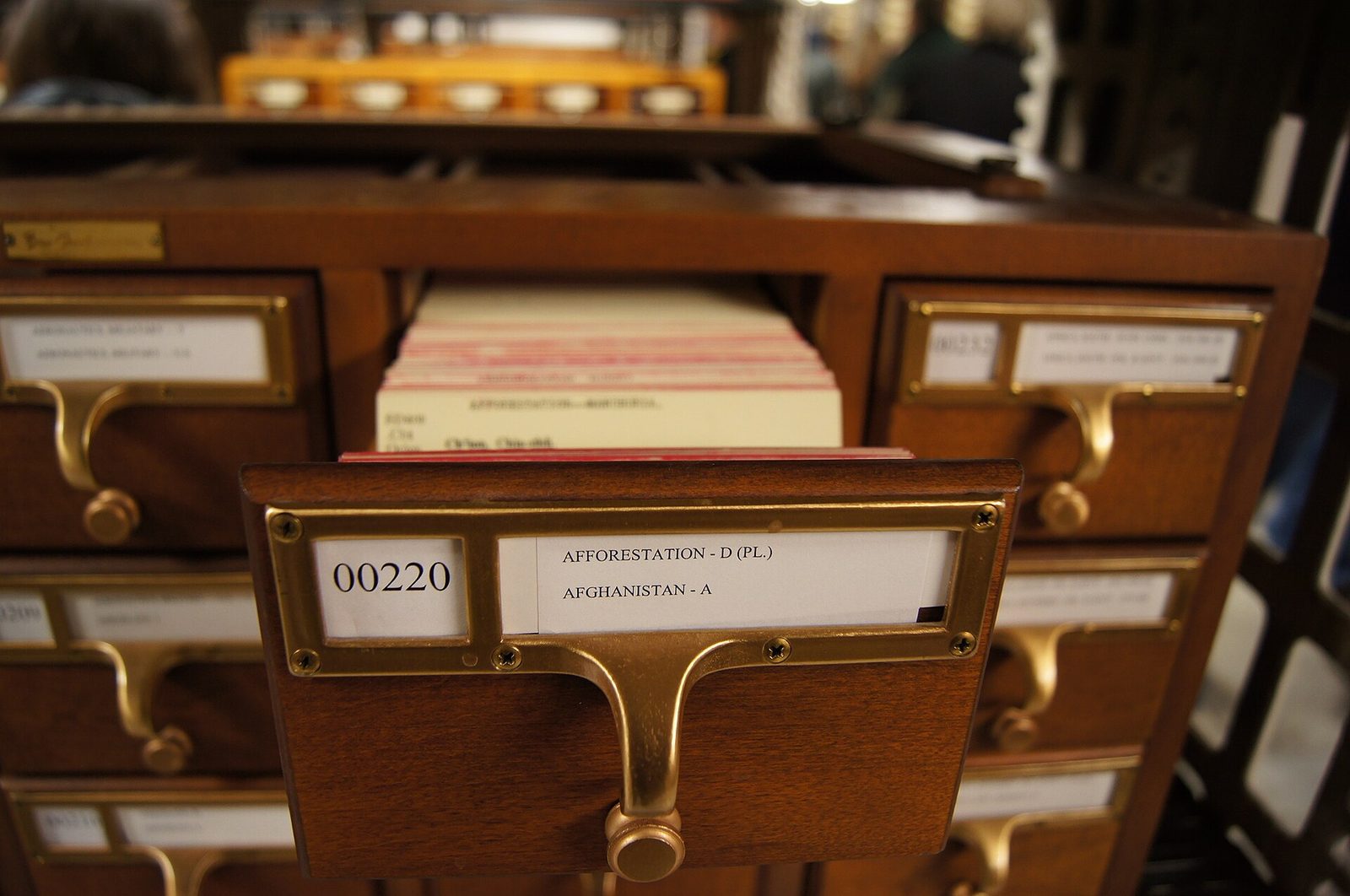
Each guide is split into a four-part series.
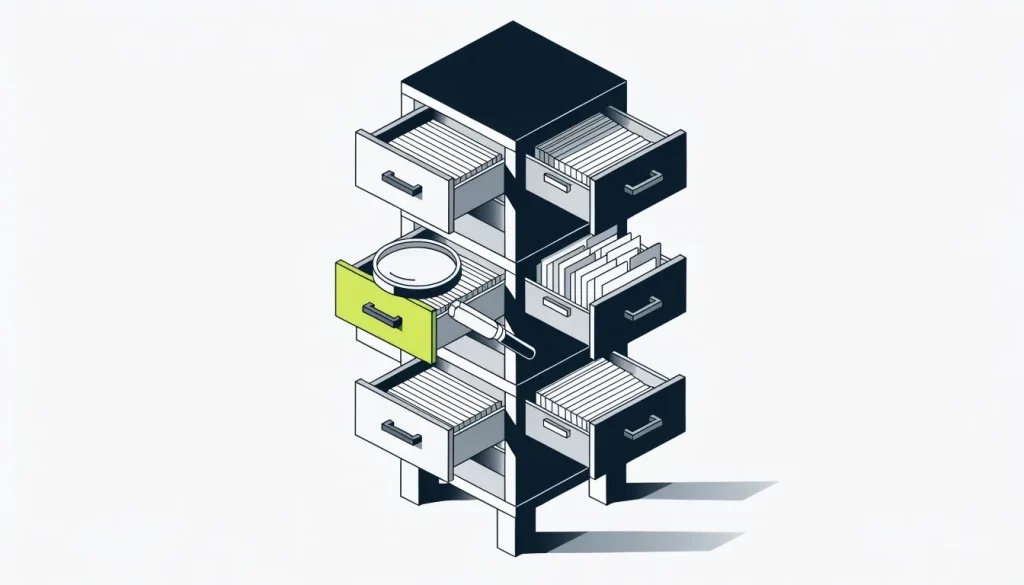
A web directory is a catalog of websites, organized into categories — as distinct from a business directory, which catalogs businesses. Its defining feature is how it's built: not by a crawler, but by hand. Editors review submissions and decide what gets in. That single fact explains both why directories were once valuable and why almost all of them died.
There are only ever two ways to find information on the web: search it, or browse it. Directories were built for browsing — a structured tree you descend from general to specific. The oldest of them was the World Wide Web Virtual Library, created by Tim Berners-Lee. Search won, comprehensively, and browsing became a niche.
This is the part almost nobody knows. Many directories stop search engines from crediting the links they display — using nofollow, redirects, or other techniques. It's in the reference article. So a listing can be perfectly legitimate, perfectly visible to humans, and pass nothing to a search engine. Volume of listings tells you nothing about value of listings.
Editors reviewed every submission, which made a listing mean something. It also meant long delays, rigid category structures, and disputes between volunteers. It didn't scale. Directories that responded by selling inclusion destroyed the only thing that made them worth listing in.
The reference article on web directories — human editing, category structure, and how they differ from crawler-built search engines.
Read the full article →The oldest web directory was built by the man who invented the web. Tim Berners-Lee's list of web servers is still snapshotted from 1992.
Related topics