What Are the Yellow Pages Directories
- How Yellow Pages Categories Sort Local Businesses
- White Pages vs Yellow Pages Explained
- How the Yellow Pages Moved Online
- Where Yellow Pages Data Appears in Search
KNOWLEDGE BASE
People talk about the Yellow Pages as if it's dead. It isn't. Its <em>format</em> died. Its underlying idea — that a business is defined by which trade category it sits in — was absorbed whole into every local listing platform that replaced it, and it is still the primary thing a search engine reads about you.
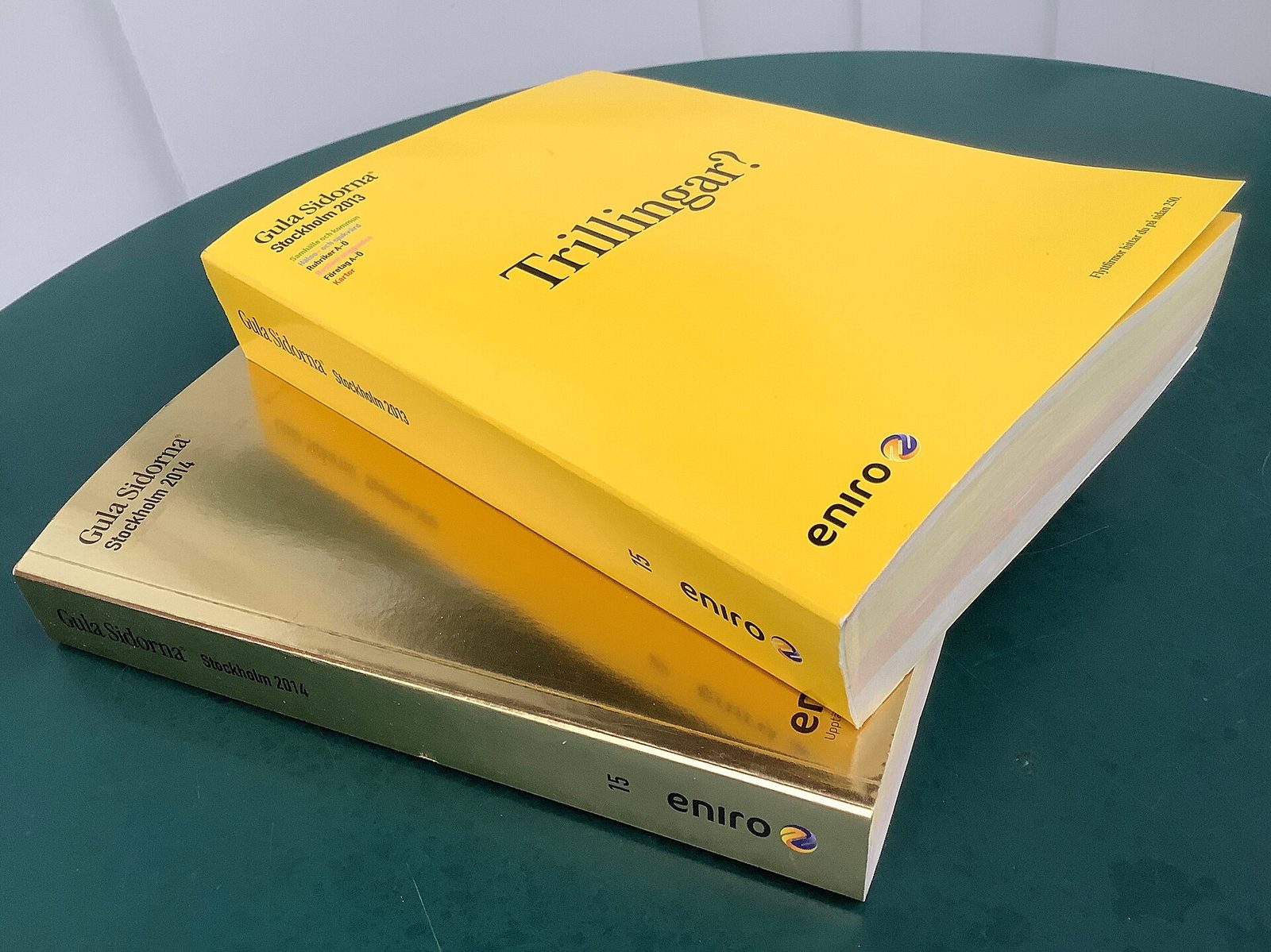
Each guide is split into a four-part series.
The Yellow Pages is a classified directory: businesses grouped by the trade they practice rather than listed alphabetically by name. It ran on paper for over a century and moved online largely intact, because the thing that made it work was never the paper. It was the classification.
Alphabetical order is useless to a buyer who doesn't know who they need, only what. Sorting by trade — plumbers, locksmiths, dentists — solved that, and it is exactly the problem local search still solves today. Your listing's category field is the direct descendant of a printed heading, and it does more work than anything else on the listing.
The print directory sold prominence: bigger ad, better position. It distinguished businesses by advertising spend, not by quality — because it had no quality signal to offer. What the web added wasn't the ad; it was the review. That's the genuinely new variable, and it's the one that broke the old model.
A printed directory was frozen the day it went to press and then aged for a year. A digital listing can be corrected the same day. Almost nobody exploits this. Stale hours, an old phone number, a category that no longer describes the business — those are print-era problems that survive only because nobody looks.
The reference article on the Yellow Pages — the classified directory, its category taxonomy, and its move from print to web.
Read the full article →The color was an accident. In 1883 a Cheyenne printer ran out of white stock and finished a telephone directory on yellow paper. The business section happened to be what landed on it.
Related topics