KNOWLEDGE BASE
Local SEO, Explained Properly
Most local SEO writing is either sales copy or recycled checklists. This isn't. Each topic here starts from what the thing actually is — the directory, the map, the review, the geofence — and works forward to what it means for a business trying to get found. Start anywhere.
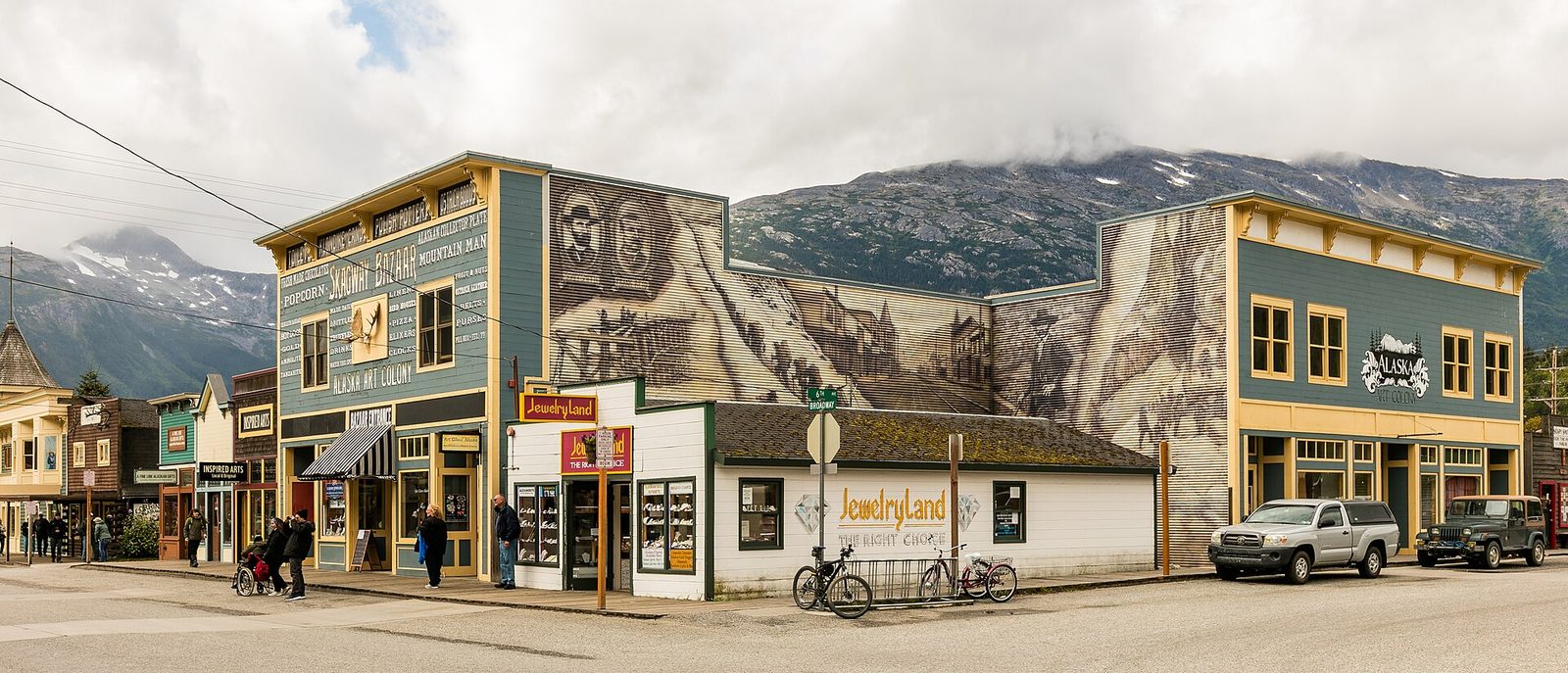
Where Local Search Actually Happens
Four systems decide whether a business gets found near where it operates. Each one has its own rules, its own history, and its own failure modes.
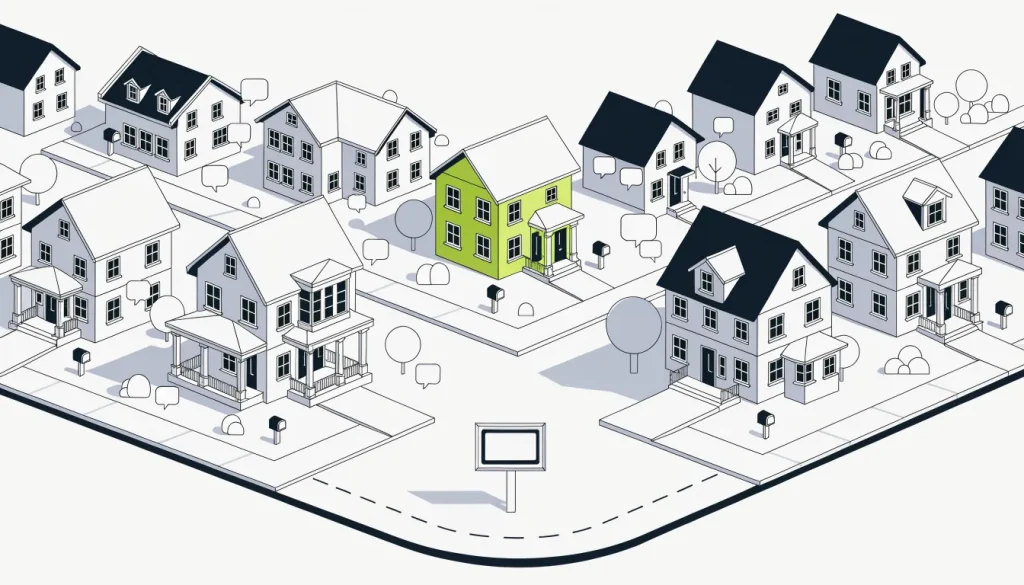
 DIRECTORIES
Business Directory
The oldest idea in local search, and the one people most often dismiss.
11 GUIDES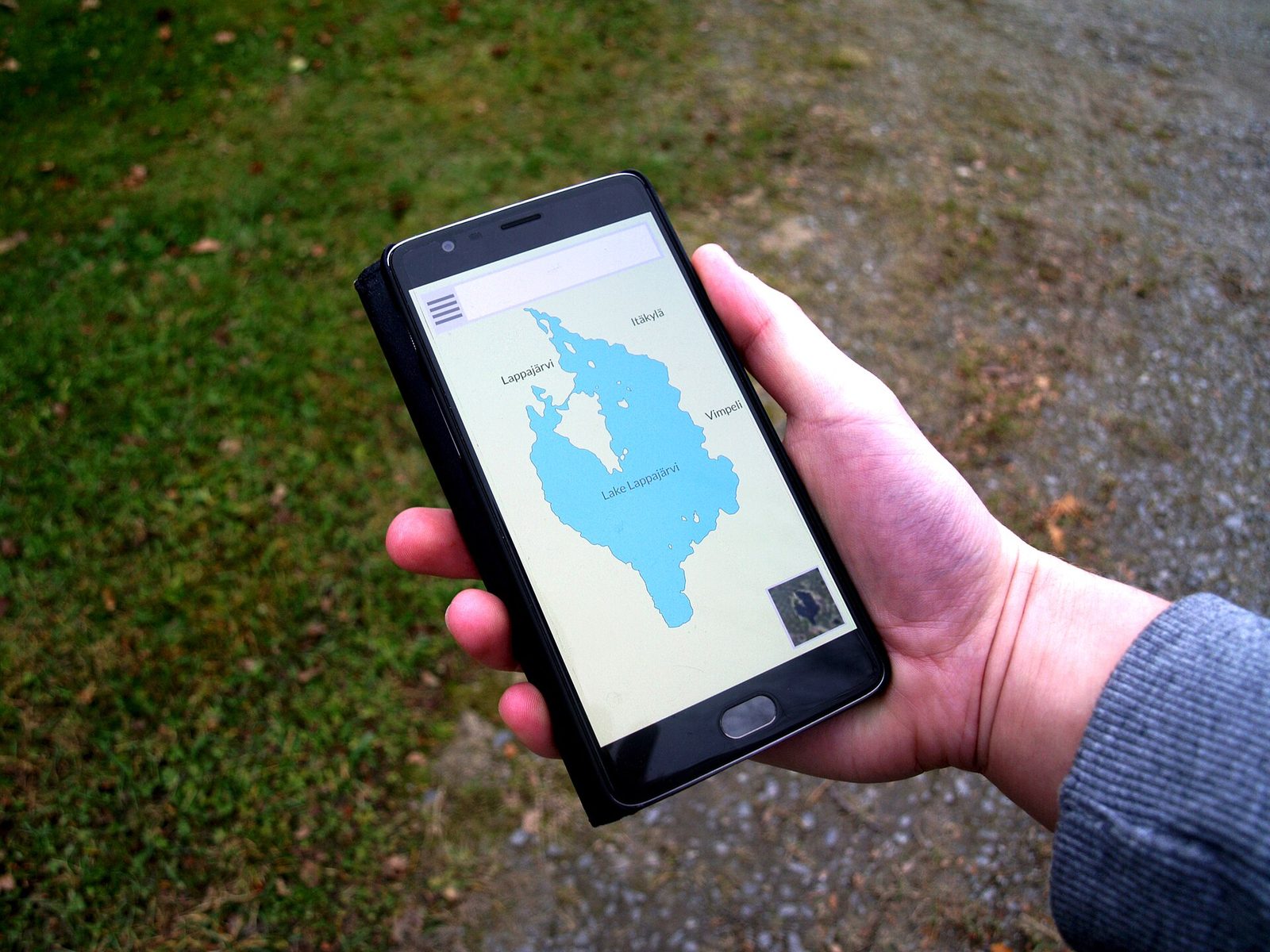 DISCOVERY
Local Search
The part of the internet that knows where you are.
11 GUIDES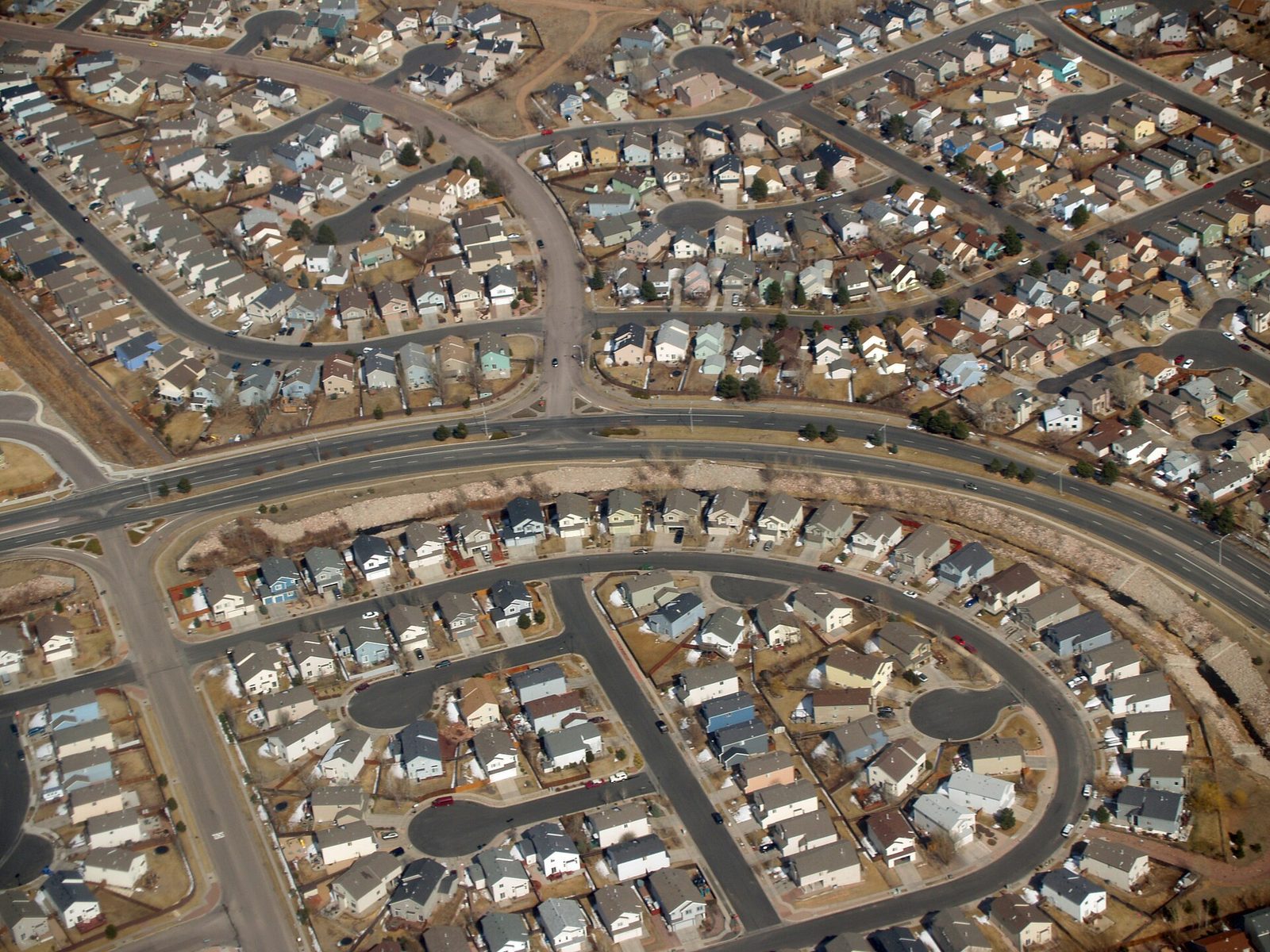 TARGETING
Hyperlocal
One of the vaguest words in marketing — and the precise techniques underneath it.
10 GUIDES TRUST
TRUST
Reputation Marketing
What customers already say about you, treated as an asset rather than a risk.
14 GUIDESWhat Is Local SEO?
Local SEO is the practice of getting a business found by people searching near it. It shares its mechanics with ordinary SEO — crawlable pages, relevant content, credible links — but it answers to a second variable that ordinary SEO ignores entirely: distance. A search for "plumber" returns different results in Boise than in Charlotte, and different results again three miles across the same city.
Two results, not one.
A local query splits the page in two. The organic results behave much as they always have. Above them sits the Local Pack — a map and a short list, drawn from a separate index built on business listings rather than web pages. Rank in one and you may be invisible in the other. They are different systems with different inputs.
Listings are infrastructure, not decoration.
The Local Pack draws on data the business supplies, data platforms hold about it, and data users contribute — reviews, photos, corrections. That makes directories and review sites load-bearing rather than optional. A name or address that disagrees across sources is not a cosmetic problem; it is a data problem, and it costs visibility.
Proximity is the variable you cannot edit.
Relevance and prominence respond to work. Distance responds to where the searcher is standing. Which is why serious local SEO stops asking "do we rank?" and starts asking where we rank, and where we don't.
Wikipedia: Local search engine optimisation
The reference article on local search optimization — local organic results, the Local Pack, and the signals that feed them.
Read the full article →A single business can rank first at its own front door and nowhere at all two miles away. One "ranking" number cannot describe that.