
Co-Citation Feed
Get Your Business Cited Beside the Sources Google Already Trusts
A Co-Citation Feed places your business on a local-news publication, side by side with the real news outlets, trade bodies, and public sources that already carry authority in your trade and your neighborhood. The company you keep is the signal.

The Service
Authority by association — without a single backlink to buy.
A Co-Citation Feed is a page we publish on Local News Roundup — a real local-news publication with its own masthead, editorial-policy page and archive. It’s not a client microsite, a directory listing, or a link farm. It publishes genuine neighborhood editorial, and woven into that editorial, your business appears beside the news outlets, trade associations, and government and university sources that already carry authority for your trade and your area.
That adjacency — on the page, in the internal links, and in the page’s machine-readable data — is the entire product. When a search engine or an AI answer engine reads a page where a publication places your business next to recognized authorities, it reads it as one thing: this business keeps company with real authorities in its field and its neighborhood.
It’s a way to borrow the credibility of sources you could never link to yourself — and shift how the machines that rank and summarize the web read your business. Your page is also shared across the publication’s social channels: YouTube, Facebook, Instagram, LinkedIn, Pinterest, Tumblr, Bluesky and Blogger.
Why It Works
You can’t buy a link from the local newsroom. You can be cited beside it.
Search engines already trust the local TV stations, public-radio desks, trade publications, and .gov and .edu sources in your field. A Co-Citation Feed doesn’t try to acquire links from them — it places your business in the same company, in a way both a human and a crawler can read.
01
You borrow authority you can’t acquire.
The sources that carry real weight in your trade and town don’t sell links and won’t give you one. A Co-Citation Feed sidesteps that entirely: a publication chooses to list your business alongside them. You get the association without needing the backlink.
02
The imbalance is the signal.
The links on each page run outward, on purpose. A handful point to you, at most five; the rest flow to independent authority sources that have nothing to gain from you. A page that links mostly to itself and its client reads like an ad. A page that links mostly away, to real authorities, reads like journalism — which is exactly what makes the association count.
03
One publication that compounds.
Every client’s page lives on the same growing publication — with its own masthead, editorial-policy page, archive, and sitemap — not a fresh throwaway domain per client. Each new page launches from a property more established than the last, so the asset gets more credible with volume, not less.
This isn’t a link scheme dressed up as news. It’s a real publication that places your business in the company it keeps — and lets the sources search engines already trust do the vouching.
What We Engineer Into Every Page
A real publication — engineered, not spun up.
Here’s what’s built into every Co-Citation Feed page under the hood — the structural work that makes a publication read as genuinely editorial to a human auditor and a search algorithm alike.

A Real Publication, Not a Throwaway Site
The single fact that makes the whole thing work.
- A real masthead, an editorial-policy page, and an about page — a genuine outlet, not a bare landing page.
- The publication is always the publisher; your business is always a covered subject.
- Every page declares itself part of the publication’s site entity, with a genuine root-to-page crawl path.
- A consistent masthead, footer, and canonical throughout, so the whole property reads as one coherent outlet.
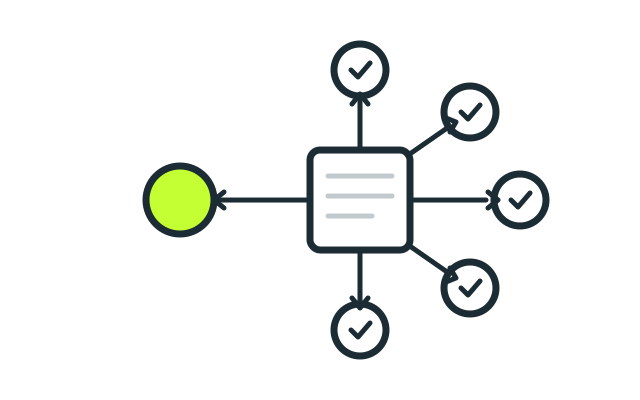
A Link Budget That Runs Outward
The imbalance is the co-citation signal, made visible.
- Up to five links to you per page: your target page, plus up to four of your own pages, such as your Google listing, your Yelp or Facebook page, or another page on your site. The rest of the page links outward.
- Every other outbound link goes to the trade press, local news, associations, and public sources actually cited.
- A competing local business can never receive a link or be cited — a dedicated rule rejects competitors first.
- Anchor text and destination always agree, drawn from a single source of truth.
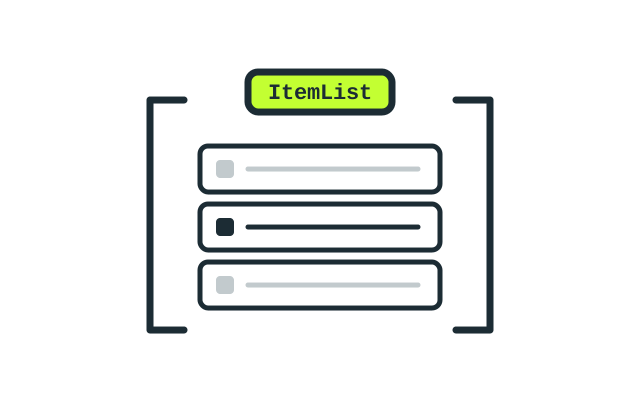
A Hand-Built Collections Schema
The co-citation, written directly for the crawler.
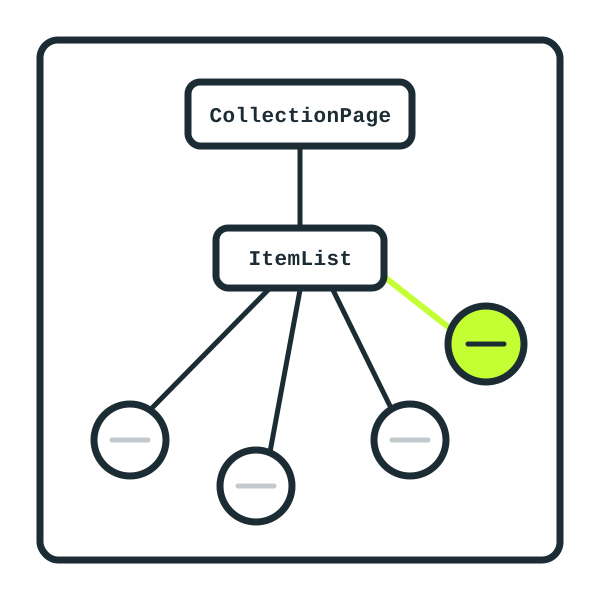
- Every page declares itself a CollectionPage published by the publication, so your business is a referenced subject.
- An item list holds your site beside every cited authority, side by side in the graph itself — where the signal lives.
- Your trade and neighborhood are each modeled as a real-world entity, anchored to a knowledge base where a genuine anchor exists.
- No self-serving star ratings or review counts, ever — deliberately, because that markup on a page like this is a known red flag.
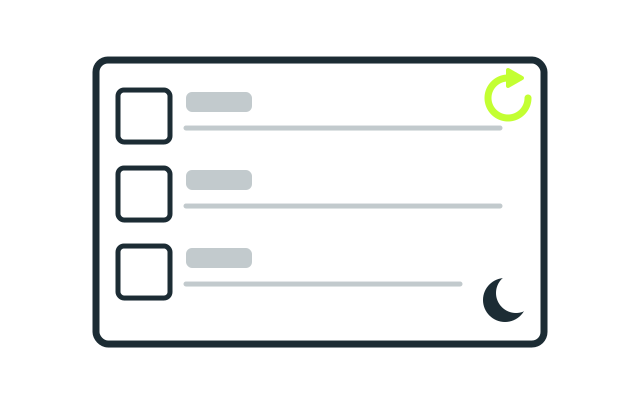
A Live Feed That Refreshes Every Night
The page never looks stale, because the news never is.
- A discovery pipeline finds, validates, and refreshes the feeds behind each page’s news grid.
- Every candidate feed must pass a gate — real feed, recent items, reachable, a recognized non-competitor host — or it’s dropped.
- The page never shows an empty block, because an empty block is itself a signal of thin content.
- Feeds re-fetch nightly at no added cost; the surrounding editorial is written once, fact-checked, and frozen.
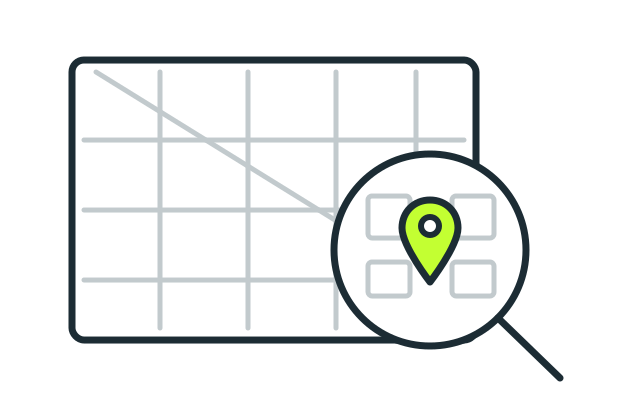
Neighborhood-Grain Discovery
Most local SEO stops at the city. This doesn’t.
- The engine hunts hyperlocal sources first — a TV station’s neighborhood-tagged feed, a neighborhood association’s blog, a public-radio local desk.
- A location-tagged neighborhood feed is treated as the single highest-value source it can find.
- In a real build it found a station’s dedicated neighborhood feed, unaided, with dozens of live, dated local items.
- That’s a grain of specificity a citywide aggregator simply cannot match.

Built to Survive an Audit, Not Just Launch
Every choice made with an adversarial reviewer in mind.
- Markup that would read as self-serving is left out on purpose, even though the source data exists.
- No two pages share a template — sections, sources, and order are seeded per page.
- Automated guards catch and block any invented fact, statistic, or place name before it ships.
- A page that can’t be written honestly falls back to a plain, zero-claim version rather than ship something unverified.
What’s On the Page
Every part of the page does a job.
A Co-Citation Feed page isn’t a list of links with padding. Each section carries a specific piece of the signal — visible to a reader, and legible to a crawler.
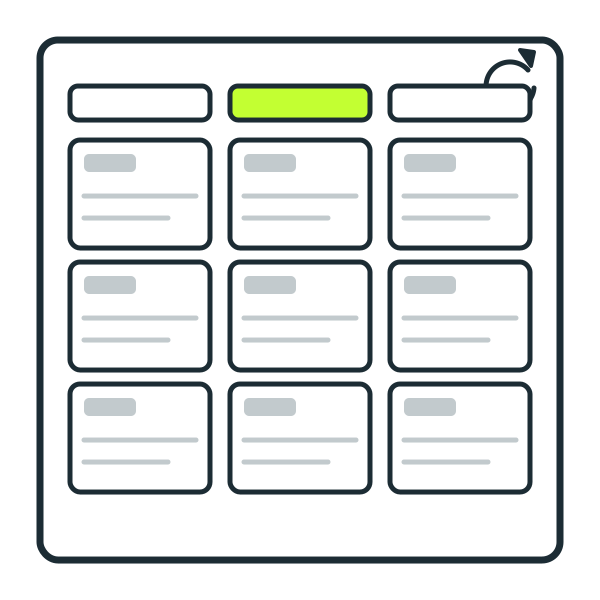
The News Feed Grid
A Living Grid of Trusted Local & Trade News
The heart of the page: a grid of fresh, dated headlines pulled live from validated feeds — local newsrooms, public radio, trade publications, professional channels — refreshed every night. Your business sits inside that grid, in the company of sources readers and crawlers already trust. Where you publish your own news or blog feed, it appears as its own column beside them.
The Featured-Business Section
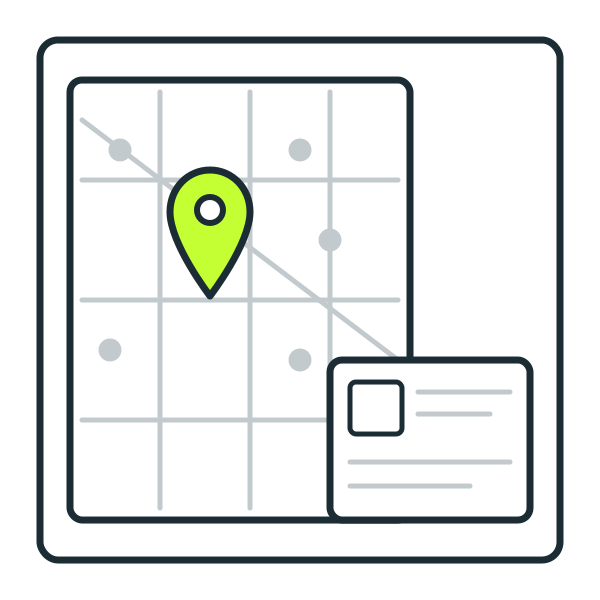
Where You Are, Framed as Editorial
A dedicated section places your business in real local context — a live map and business listing, framed editorially as “where they are,” never as a directions or conversion widget. It’s surrounded by five or six genuine neighborhood points of interest, entirely unrelated to you, giving the page real local specificity beyond the featured business.
The References
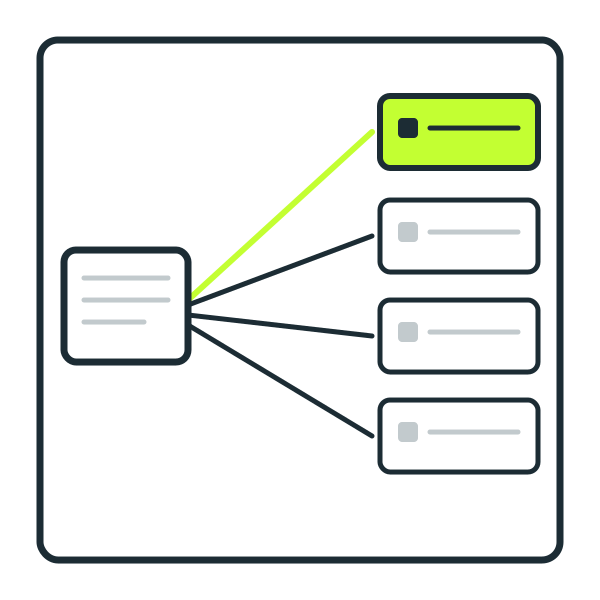
Outbound Authority, on Purpose
A references section links out to every authority actually cited on the page — the trade press, local outlets, associations, and public sources. These outbound links are the deliberate, lopsided half of the link budget: weight flowing to real authorities, which is what makes the page read as editorial rather than promotional.
The Structured-Data Graph
The Co-Citation, Written for Machines
Beneath the visible page, a purpose-built knowledge graph encodes the whole association for crawlers: the page as a collection published by the publication, an item list placing your site beside every cited authority, and your trade and neighborhood modeled as real entities anchored to a knowledge base. The signal is legible to a machine before it reads a word of prose.
The Editorial Prose
Original Writing, Fact-Checked and Frozen
Every page carries original copy, not just a list of headlines — an introduction tying your trade, neighborhood, and business together, and neighborhood background grounded in real, citable facts about your specific area. It’s verified against real sources at launch, then frozen: it never regenerates and never drifts. Every sentence is checked against its source — verbatim copying, unsupported quotes, and invented names are blocked.

What You Get
The Deliverables
Every Co-Citation Feed ships as a complete, live page on a local-news publication — built, fact-checked, and handed over ready to work. Here’s exactly what lands.

A page on a local-news publication
Your business published on Local News Roundup, a real local-news publication — not a microsite or a directory.

Placement beside real authorities
Your site cited alongside validated trade, local-news, association, and government or university sources in your field and area.

A live, nightly-refreshed news feed
A grid of fresh, dated headlines from validated feeds, re-fetched every night so the page stays visibly current.

Hand-built Collections Schema
A structured-data graph that encodes the co-citation for search and AI engines — your business a referenced subject, never the publisher.

A deliberate, outward link budget
Up to five clean links to you, the target page plus up to four of your own pages; every other link flows to independent authority sources.

Neighborhood-grounded editorial
Original copy tying your trade, neighborhood, and business together — fact-checked against real sources and frozen at launch.

A featured-business section
A live map and business listing framed as local editorial, set among genuine neighborhood points of interest.

Entity anchoring
Your trade and neighborhood modeled as real-world entities, anchored to a knowledge base where a genuine anchor exists.

A results report on day 7
The live page URL and every source cited, listed plainly and checkable by you.
The Deliverable
Sample Report
No black boxes. Every build hands back a source map — every source cited on your page, the role it plays, and how it appears. Checkable by you. And the money-link budget is stated plainly: up to five links to your own pages, no more.
| Source type | Role | On the page as |
|---|---|---|
| Local TV newsroom (neighborhood desk) | Neighborhood | Feed · References · Graph |
| Public radio — local desk | Neighborhood | Feed · References · Graph |
| Trade association | Trade | References · Graph |
| Trade publication | Trade | Feed · References · Graph |
| Regional utility | Cross-cutting | References · Graph |
| Your links (up to 5) | Featured | Dofollow · Graph |
A sample source map — HVAC trade, a single neighborhood. Real builds list the actual outlets cited.
Pricing
Your business placed on a local-news publication beside the authority sources in your trade.
Delivered in 7 days.
Questions
Frequently Asked Questions
About the service
What exactly is a Co-Citation Feed?
A page we publish on Local News Roundup, a local-news publication, where your business appears beside the real news outlets, trade bodies, and public sources that already carry authority in your trade and neighborhood. That adjacency — on the page and in the page’s structured data — is the product. It’s authority by association, without a backlink you’d otherwise have to buy.
What is Local News Roundup?
A real local-news publication with its own masthead, editorial-policy page and archive. Your business appears on it as a covered subject, cited alongside other authority sources. That editorial framing is what makes the association read as genuine rather than self-promotional.
Is this a link farm or a PBN?
No. A link farm exists only to pass links, and links mostly to itself and its clients. This is the opposite: a real publication whose pages link overwhelmingly outward to independent authorities, with only a handful of links pointing to you, at most five. The whole design is built to read as editorial to a human auditor and a search algorithm alike.
Backlinks & how it works
Will I get a backlink from this?
Yes. A clean dofollow link to your target URL, and up to four more to your own pages if you add them. But the links aren’t the product; the co-citation is.
How is co-citation different from a backlink?
A backlink is a link to your site from an authority — which the real authorities in your field won’t provide. Co-citation is being mentioned and listed beside those authorities on a credible page. You don’t need them to link to you; you need to be cited in their company. That’s what this builds.
Do you use my reviews or ratings?
No — deliberately. Star ratings and review counts on a page like this are the single most recognizable paid-placement tell, so we leave that markup out entirely, even though the data exists. The page is built to survive scrutiny, not to inflate it.
Targeting
How local does it get?
Down to the neighborhood, not just the city. The discovery engine actively hunts hyperlocal sources — a TV station’s neighborhood-tagged feed, a neighborhood association’s blog, a public-radio local desk — and grounds the editorial in real, citable facts about your specific area.
Lifespan
How long will my page stay active?
It’s a one-time build, and the page stays live and refreshes nightly on an ongoing basis, with no set term. The editorial is written and fact-checked once, then frozen — only the live feed changes — so the page keeps working without any further cost to you.
Results & expectations
Will this make me rank?
No one honest guarantees rankings, and we don’t. A Co-Citation Feed is an authority asset — it places your business in credible company and encodes that association for search and AI engines. What any single asset achieves depends on your market, your competition, and how search engines weigh it all. What we guarantee is the build: a real page on a real publication, engineered and fact-checked exactly as described.
Ordering & delivery
What do I need to provide?
Three things: your target URL, your target keyword, and your Google Business Profile link. Optionally, up to four more of your own links, such as Yelp, Facebook or another page on your site. We build the page whether or not you add them.
What do I get when it’s delivered?
A live page on the publication and a results report on day 7, listing the page URL and every source cited.
How long does it take?
7 days, with a results report on day 7.
Is it indexed?
Indexing is Google’s decision, so nobody can guarantee it. Every order runs through our indexing process once. Need another pass? Additional indexing is $2 per URL.
Do you take orders outside the US?
We take orders from businesses in any country. Some countries take one extra day, and your due date is shown before you pay.
See where you rank across your whole area
Give us the business name and city. We find the Google listing, you confirm it’s the right one, and we measure it in the three places customers look. The report lands in your dashboard.
- Maps — Checked from 25 points across your area, so you see where you’re in the top 3 and where you vanish.
- Search — Where your website lands in Google for your service, and for “[service] near me”.
- AI answers — Whether ChatGPT, Google AI Mode and Perplexity name you or a competitor when a customer asks.
Co-Citation Feed
Get Cited in the Company You Want to Keep.
A page on a local-news publication — placing your business beside the sources search engines already trust, encoded for the crawlers, refreshed every night.