
KNOWLEDGE BASE
Local Search
Local search is the part of the internet that knows where you are. It didn't start that way — for years you had to tell it. The moment you stopped having to, everything about how businesses get found near their customers changed, and most of them are still catching up.
The Platforms That Answer the Question
Six entities that define where local searches are made and where they get answered.
 MAPS
MAPS
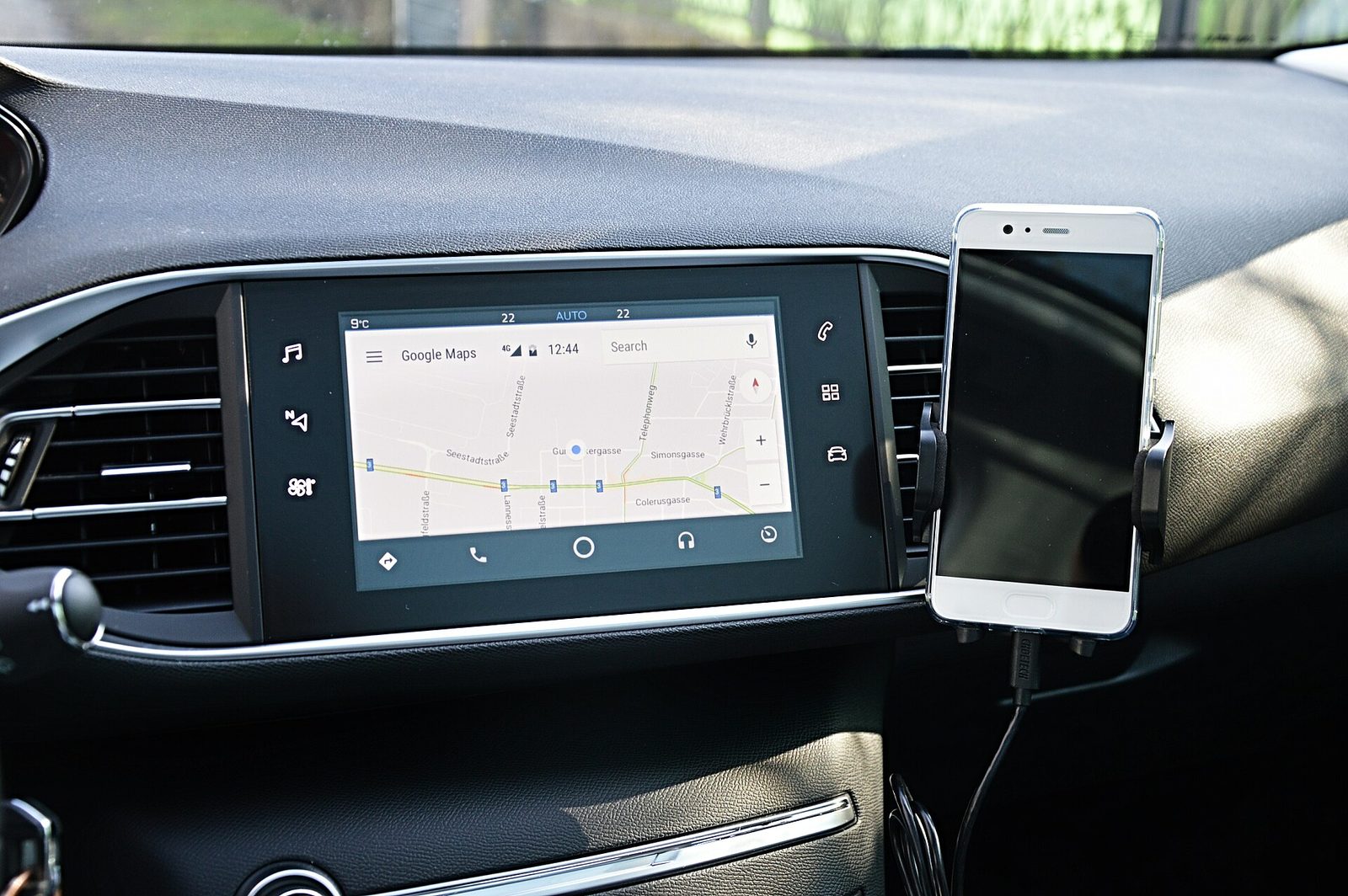
Google Maps
A business directory with a map on top.
3 GUIDES MAPS
MAPS
Apple Maps
The default map on every iPhone.
3 GUIDES REVIEWS
Yelp
Crowd reviews, filtered by software.
3 GUIDES MAPS
MAPS
Bing Maps
The listing most businesses forget.
2 GUIDES REFERENCE
Foursquare
The check-in app whose data outlived it.
REFERENCE REFERENCE
Mobile Local Search
When the phone supplies the location.
REFERENCEWhat Is Local Search?
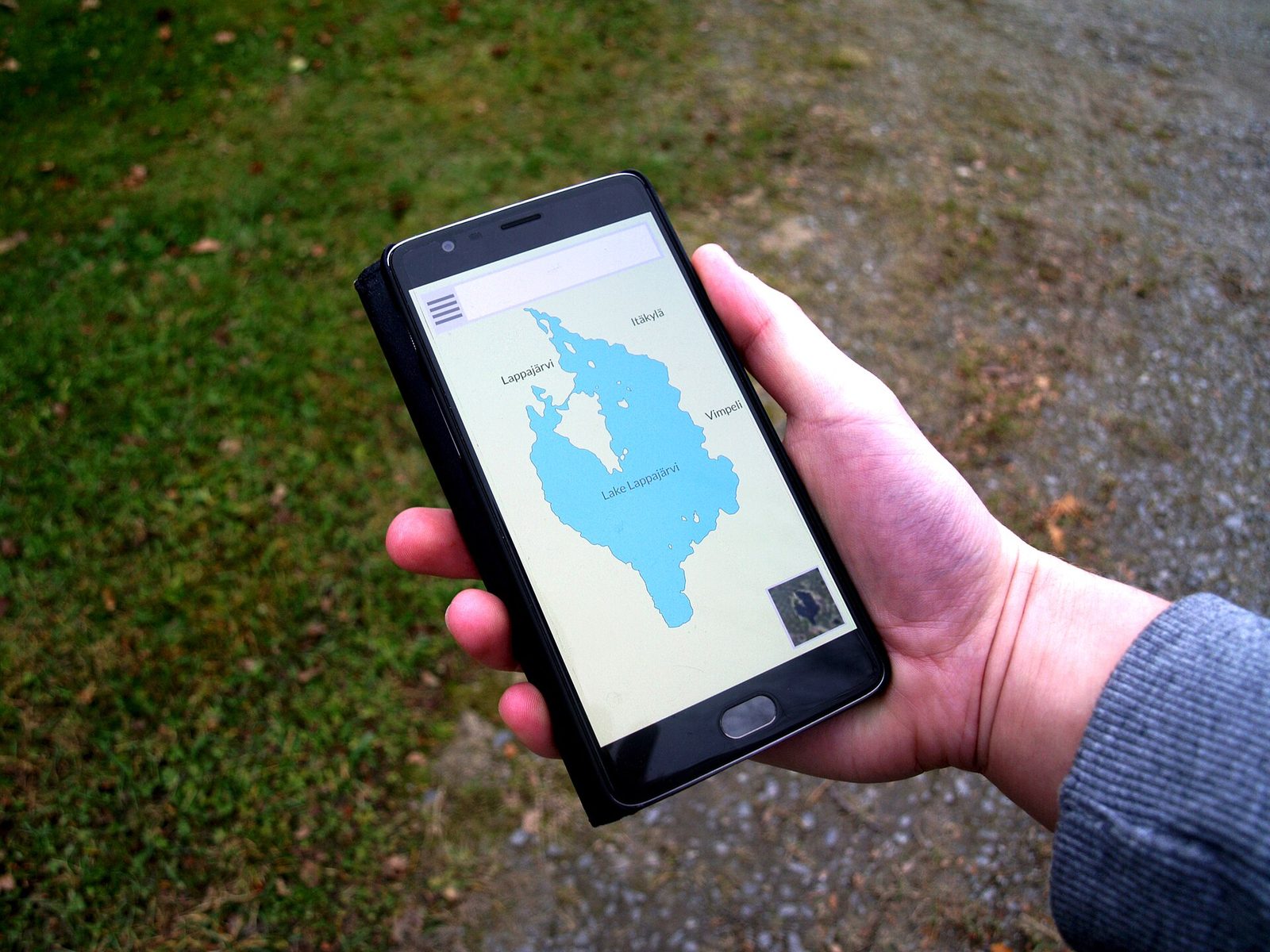
Local search is a search with a place attached. Sometimes the place is typed — dentist Bushwick — and sometimes it isn't typed at all, because the device already knows. That second case is the one that mattered. Once a phone could report its own position, the majority of local intent stopped being spoken aloud, and search engines began answering a question the user never fully asked.
One query, two result sets.
A local search returns local organic results — web pages with geographic relevance, including directories and review sites — and, above them, the Local Pack: a map with a short shortlist. The Pack is not drawn from the web index. It is drawn from business listings. Ranking well in one says almost nothing about the other.
The map became the interface.
For a large share of local searches, the destination is no longer a website. It is a map pin, a set of hours, a photo, a route. The business's own site may never be opened. Which means the listing is the storefront, and the website is increasingly the thing people check afterwards, if at all.
Where you rank depends on where they stand.
Distance is a live input. Two people running the same search a mile apart get different answers, and neither result is more "correct." A single ranking position is therefore a fiction — a useful one, sometimes, but a fiction. The honest question is which parts of a service area a business is visible in, and which it has quietly disappeared from. Measuring that, block by block, is what ranking in every ZIP code means in practice.
Wikipedia: Local search (Internet)
The reference article on local search — geographically-constrained queries, local result types, and the platforms that serve them.
Read the full article →"Near me" is the only search phrase whose meaning changes every time it's typed — and it never has to be typed at all.
Related topics