
KNOWLEDGE BASE
Location-Based Service
A location-based service is the plumbing under everything else on this page. Maps, geofences, proximity triggers, "near me" results — all of them are just applications sitting on top of one primitive: a device that knows roughly where it is, and a service that consumes that number.
What Is a Location-Based Service?
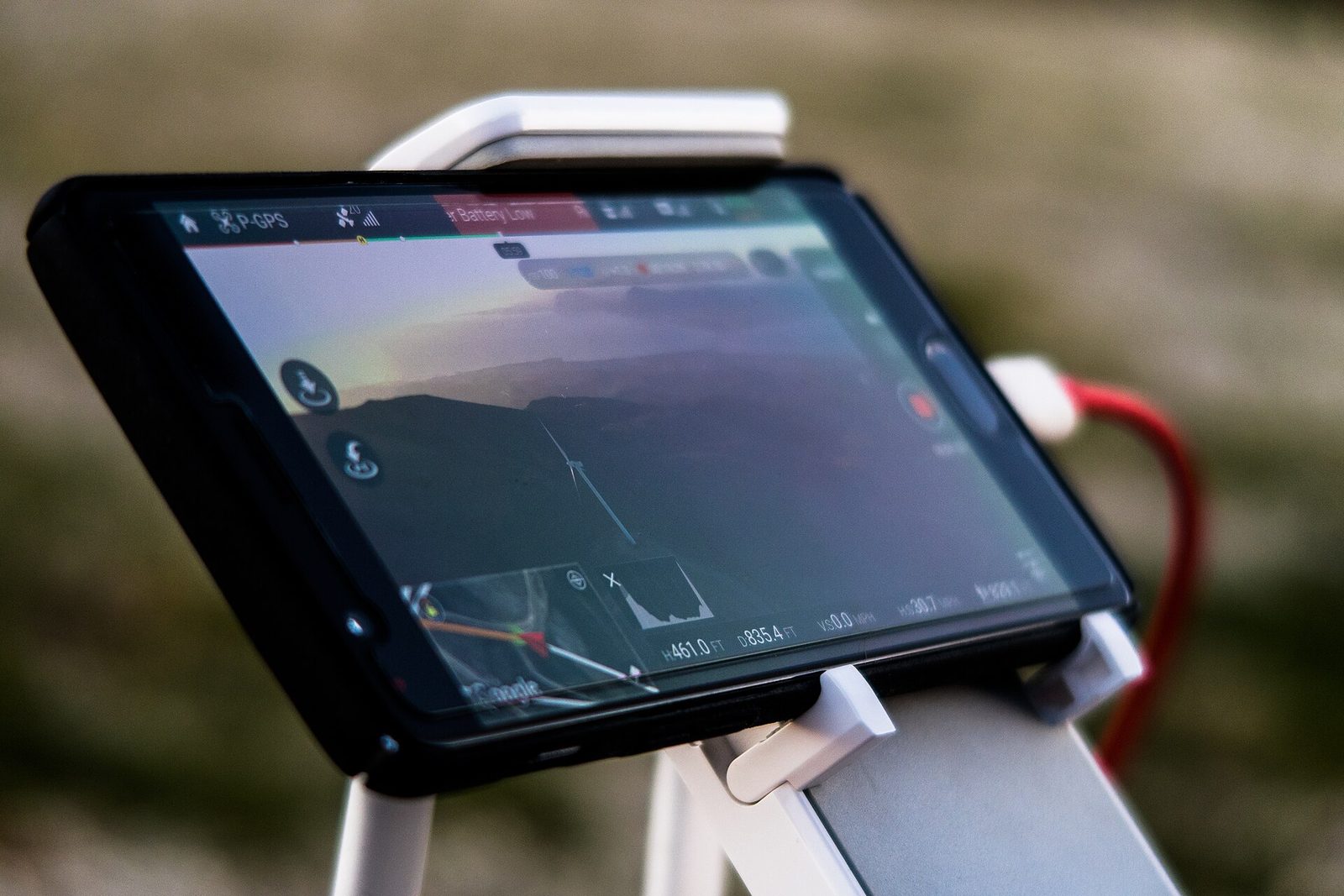
A location-based service is any software service that uses the geographic position of a device to deliver information or functionality. Navigation, local search, ride-hailing, delivery tracking, check-ins, weather — all are location-based services. The category is defined not by what it does but by what it consumes: a coordinate.
The coordinate is an estimate, and it varies enormously.
GPS, cell-tower triangulation, Wi-Fi positioning and IP lookup produce wildly different levels of accuracy. Indoors, in dense cities, or on a poor connection, the number a service receives may be hundreds of meters off. Every downstream decision inherits that error.
Which means your own rank data is location-dependent too.
If a business is checking "where do we rank" from one place — the office, usually — it is sampling a single coordinate out of a continuous field. That isn't a ranking. It's one reading. The whole point of a rank map is to sample the field instead of guessing from a point.
It's a permission surface, and that's tightening.
Every location-based service depends on a user granting access. Platform-level restrictions on background location have made that permission harder to get and easier to lose — which quietly shrinks the reach of anything built on always-on tracking.
Wikipedia: Location-based service
The reference article on location-based services — the positioning technologies, the applications built on them, and the privacy questions they raise.
Read the full article →Checking your rank from the office tells you your rank at the office. It is one reading from a field that changes street by street.
Related topics