What Is Geofencing and How It Is Used
- Active vs Passive Geofences Explained
- How Everyday Apps Use Geofencing
- Geofence Warrants and How They Work
- Is Geofencing Legal for Businesses to Use
KNOWLEDGE BASE
Of all the vague vocabulary in hyperlocal marketing, the geofence is the one word that means exactly one thing. It's a shape on a map. Everything either falls inside it or doesn't. That precision is why it's genuinely useful — and precisely why it gets sold as a solution to problems it can't touch.
Each guide is split into a four-part series.
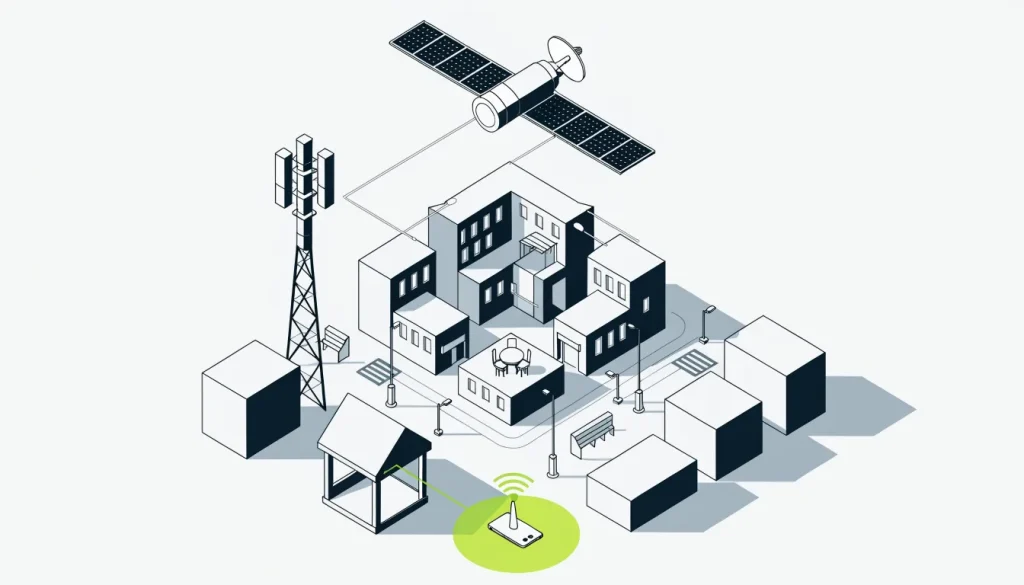
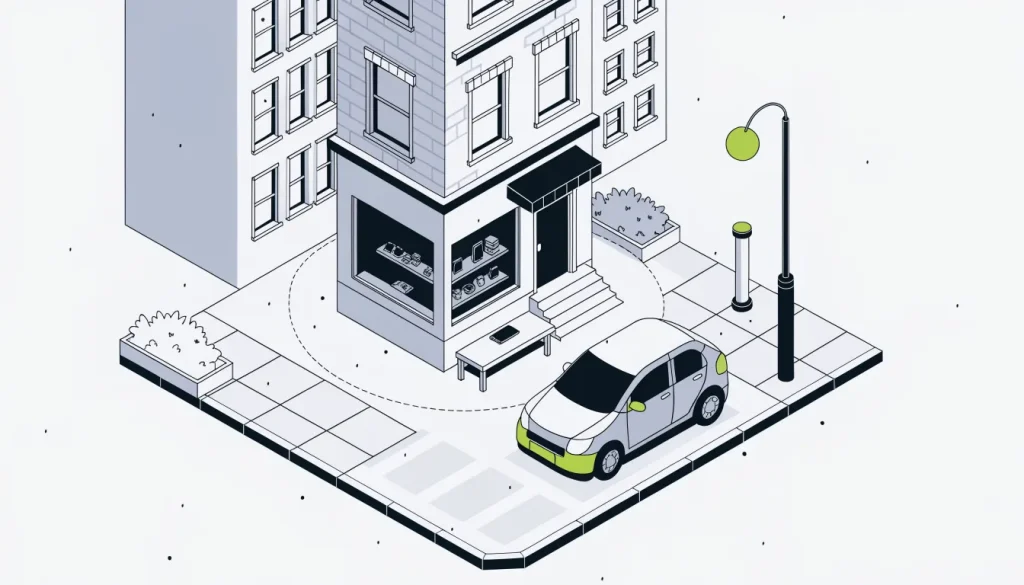
A geofence is a virtual perimeter around a geographic feature. It can be generated dynamically — a radius drawn around a point — or match a predefined boundary such as a school zone or a neighborhood outline. Crossing it, in or out, is an event that software can act on. That's the whole concept, and its simplicity is the source of its power.
Almost everything else in local marketing is probabilistic. A geofence is binary: inside or outside. That makes it testable, auditable, and honest in a way that "hyperlocal targeting" as a phrase never is.
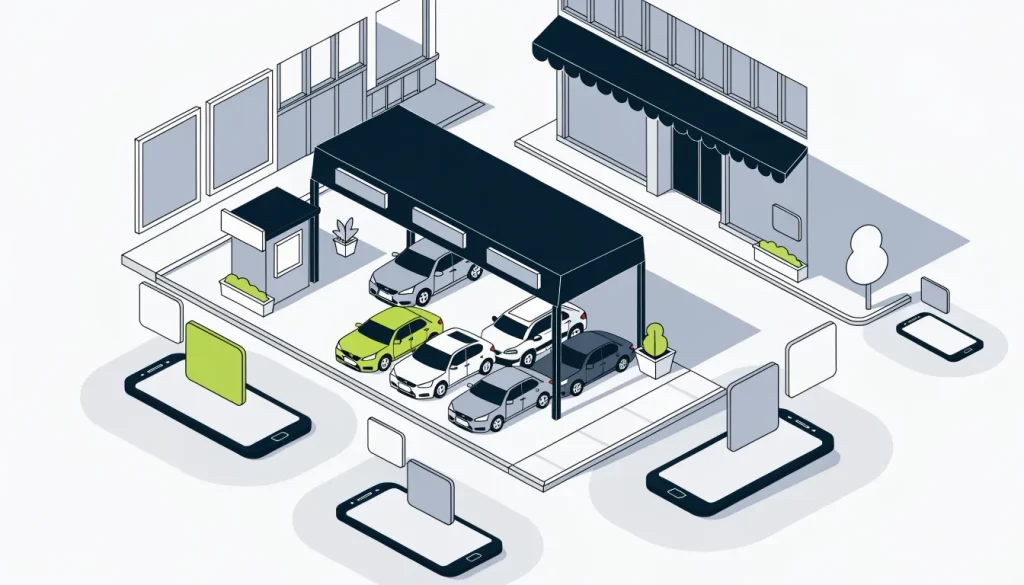
Draw a fence around a rival's location and advertise to the people standing in it. It works, it's legal, and it's widely done — at concerts, at conventions, at retail parks, and around competitors' front doors. Whether it's worth it depends entirely on whether those people are in a position to switch.
This is the confusion worth killing. Geofencing is an advertising mechanism. It buys attention inside a boundary. It does nothing whatsoever to your organic or map visibility in that boundary — and the moment you stop paying, it's gone. Ranking in a neighborhood and advertising into it are different purchases entirely.
The reference article on geofencing — virtual perimeters, dynamic and predefined boundaries, and their use in targeted advertising.
Read the full article →A geofence buys you attention inside a boundary for as long as you pay. Ranking inside that boundary is a different thing entirely — and it stays.
Related topics