
KNOWLEDGE BASE
Proximity Marketing
Proximity marketing is the most technically impressive and least successful idea in this silo. It works — you can absolutely push an offer to a phone that walks past your door. The question nobody answered is why anyone would have installed the app that lets you.
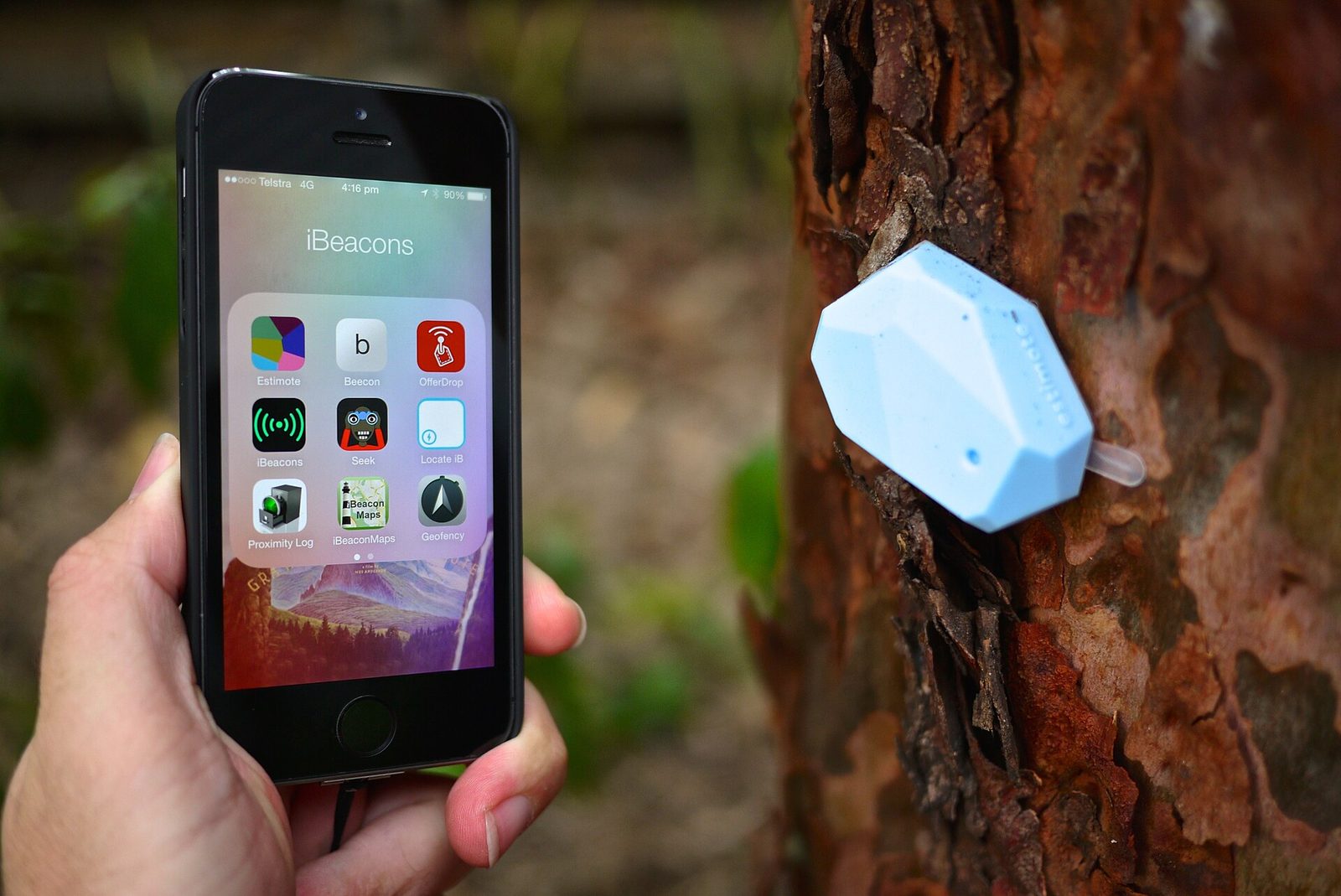
What Is Proximity Marketing?
Proximity marketing delivers content to a device based on how near it is to something — a shop, a beacon, a shelf — rather than where it is on a map. It has been built on Bluetooth beacons, Wi-Fi, NFC and cell data. The distinction from geotargeting is the trigger: not you are in this region, but you are next to this thing.
The technology was never the hard part.
Beacons work. Detection works. The hard part is permission: the device must be listening, which usually means the person installed an app and agreed to be tracked by it. Very few people do that for a business they haven't chosen yet — which limits the whole channel to customers you already have.
Which is why it worked for big retail and nowhere else.
A chain with a heavily-installed loyalty app has the distribution to make proximity worth building. A single-location business does not, and never will. Being sold "beacon marketing" as a local SEO tactic is being sold a solution that structurally cannot reach you.
The residue is worth keeping.
Strip the beacons away and the useful idea remains: relevance decays sharply with distance, and the closer someone already is, the higher their intent. You don't need a Bluetooth transmitter to act on that. You need to be findable at the moment they're near.
Wikipedia: Proximity marketing
The reference article on proximity marketing — beacon, Bluetooth and NFC delivery, and the opt-in problem at its core.
Read the full article →Proximity marketing needs the customer to have already installed your app. Which means it can only reach people who already chose you.
Related topics