
What Nextdoor is, in plain terms
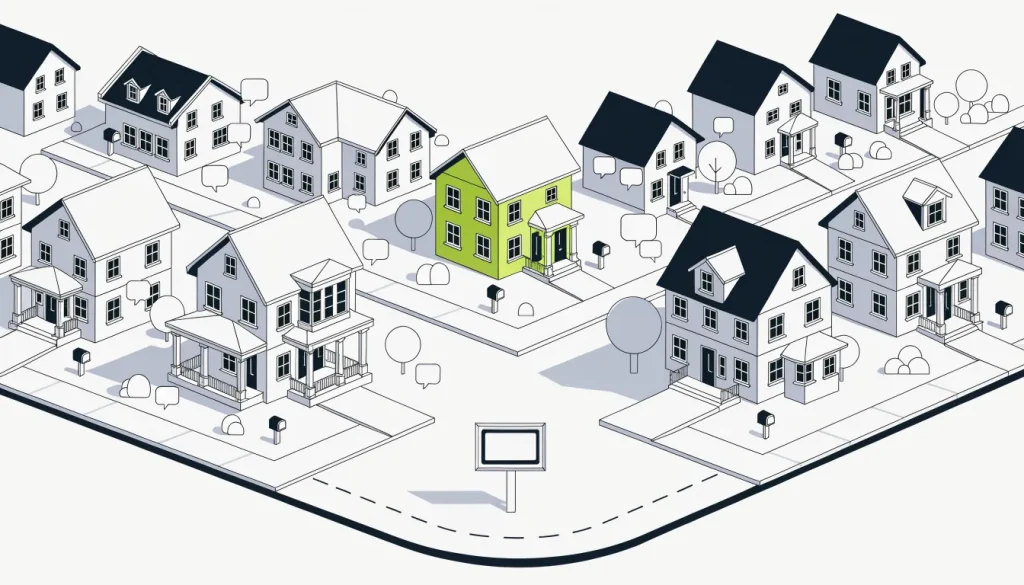
Nextdoor is an online network built around the neighborhood a person lives in. Members sign up with real names and addresses and are verified by location. That verification is what sets it apart from open social networks, where anyone can join any group.
The company has a long history. Nextdoor was founded in 2008 by Nirav Tolia, Sarah Leary, Prakash Janakiraman and David Wiesen. It launched in the US in October 2011 and is headquartered in San Francisco.
It is also a public company. Nextdoor went public through a SPAC merger, a deal in which a shell company that is already listed buys a private one. The merger was announced in July 2021 and completed in November 2021, and the stock now trades on the NYSE as NXDR.
The network is large. As of December 31, 2025, Nextdoor reported 21.0 million weekly active users on the platform. It also said it reached 1 in 3 US households and more than 350,000 neighborhoods in 11 countries.
How a neighborhood network runs day to day
Nextdoor works by tying each member to one verified location, then showing them a feed of posts from people and organizations nearby. Businesses, news partners and public agencies take part too, after their own checks. Everything a member sees is shaped by where they live.
Joining and verification
Verification is the step that proves a member lives where they say. Third parties verify neighbors by email, SMS, phone calls, geolocation and mailed invitations. Part 1 of this series looks at how Nextdoor verifies neighbors step by step.
Organizations face a similar check. Businesses, news partners and public agencies go through a verification process much like the one for neighbors. That keeps a business page tied to a real local operation.
The Feed
The Feed is the main stream a member sees after signing in. It is a personalized, location-based stream of neighbor posts, news, alerts and updates. Nextdoor ranks it with AI and machine learning.
The Feed changed recently. The “new Nextdoor,” launched in July 2025, added News, Alerts and Ask. These sections give local news and safety alerts their own place in the app.
How neighbors recommend businesses
Neighbors recommend a business by tagging it in a conversation or writing on its page. A recommendation is a neighbor’s own endorsement, not a paid placement. Neighbors can also follow businesses as Faves.
How the company earns money
Advertising began in 2016, years after launch. Ad formats now include sponsored posts, lead-gen forms, native display and video. A lead-gen form is an ad that collects a person’s contact details inside the app.
Ads are sold two ways. Businesses can buy through the self-serve Nextdoor Ads Manager or through a sales team. Measurement includes pixel and API conversions and foot-traffic studies.
The neighborhood graph shapes who sees ads. A neighborhood graph is the map of which verified members live in which neighborhoods. It lets advertisers reach groups such as homeowners, parents and recent movers.
Why location sits at the center
Every part of Nextdoor starts from a verified address. The Feed, the recommendations and the ads all depend on knowing which neighborhood a member belongs to. That is why the sign-up checks matter so much to how the platform works.
The same idea limits reach. A post from one neighborhood is aimed at people nearby, not at the whole network. Free business posts in the US, for example, reach neighbors within two miles.
Main parts of the Nextdoor platform
Nextdoor has a few core parts that members and businesses meet again and again. Each one does a different job, from holding a neighbor’s identity to carrying paid messages. The table sets out what each part is and who it serves.
| Part | What it is | Who uses it |
|---|---|---|
| Neighbor profile | A verified account tied to a real address | Residents |
| The Feed | A ranked stream of local posts, news and alerts | Residents and organizations |
| Business Page | A free page with contact details and recommendations | Local businesses |
| Recommendations and Faves | Neighbor endorsements and follows | Residents, about businesses |
| Ads and Local Deals | Paid formats aimed at chosen neighborhoods | Businesses and brands |
Business Pages are free. A page can show a logo, a cover photo, contact information, a license number, up to 10 category tags, a story and a photo gallery.
Paid formats are a separate layer. Ads can target by neighborhood, interests and real-world behavior. Local Deals, launched October 8, 2019, promote a discount to chosen neighborhoods and can be redeemed online or in person.
What Nextdoor means for a local business
For a local business, Nextdoor is a place where neighbors already talk about who to hire and where to shop. A free page lets the business be found and recommended in those talks. Paid ads add reach, but the core value comes from neighbors.
Being part of the conversation
Neighbors often ask each other for a plumber, a dentist or a good restaurant. When a business has a page, neighbors can tag it in their replies. Those tags become recommendations that later visitors can see.
Recommendations cannot be bought. They come from neighbors, while ads are paid formats. Nextdoor does not promise that any post will reach every household.
The details of setting up and running a Nextdoor business page are covered in a separate guide.
Posting as a business
Verified businesses can post for free, within limits. In the US, the guide updated July 2023 says free Business Posts reach neighbors within two miles. It also limits them to twice per month and requires a verified business.
Rules differ by country. The UK page offers unlimited free posts. US owners should check the current limit, since it may have changed.
The posting limit shapes how a business uses the platform. A few useful posts each month, such as an event or a seasonal reminder, fit the US rule. Paid formats exist for anything beyond that.
Reading recommendations as signals
Recommendations work much like word of mouth written down. A neighbor who tags a business in a reply is vouching for it to people who live close by. Those tags stay visible on the page for later readers.
That makes service quality the real driver. A business cannot buy recommendations or be assured of them, so the reliable route is good work that neighbors want to mention. Whether a business can remove a recommendation is not clear from public sources.
Who is on the platform
The audience leans urban and suburban. Pew found 13% of US adults used Nextdoor: 17% of urban adults, 14% of suburban adults and 2% of rural adults. Among people earning over $75K, the figure was 20%, in data published April 7, 2021.
The wider context
Nextdoor has faced criticism. Critics have reported racial profiling by users since 2015. Nextdoor removed its “forward to police” feature in 2020.
Leadership has also changed. Sarah Friar served as CEO from October 2018. Nirav Tolia returned as CEO in February 2024.
Misconceptions about the neighborhood app
Four beliefs about Nextdoor come up often among business owners. Each one misreads who can join, what things cost, or how endorsements work. The corrections come from Nextdoor’s own filings and help pages, and from Pew research.
“Anyone can join any neighborhood.” Real names and addresses are required. Verification is based on location.
“A Business Page costs money.” Business Pages are free. Paid ads and Local Deals are separate products.
“Recommendations are a kind of ad.” Recommendations come from neighbors. Ads are paid formats bought by businesses.
“Nextdoor is mainly a rural app.” Pew found 2% rural use, against 17% urban use. The audience is concentrated in towns and suburbs.
Frequently asked questions
What do people use Nextdoor for?
People use Nextdoor to share local news, ask neighbors for recommendations, and read alerts about their area. They also find and follow nearby businesses as Faves. Everything in the Feed is tied to where the member lives.
Does Nextdoor cost money?
Business Pages on Nextdoor are free. Businesses can choose to pay for ads or Local Deals. Neighbors join with a real name and address, and are verified by location.
Can people look you up on Nextdoor?
Nextdoor members sign up with real names and addresses, and they are verified by location. That means neighbors in the network can see who they are talking with. Privacy settings were not covered in the sources for this guide.
Who started Nextdoor?
Nextdoor was founded in 2008 by Nirav Tolia, Sarah Leary, Prakash Janakiraman and David Wiesen. It launched in the US in October 2011.
Further reading in the Nextdoor hub
The Nextdoor hub brings together guides on the platform for local businesses. It covers how pages work, how neighbors recommend, and how paid ads and deals reach chosen neighborhoods. See all of them at Nextdoor explained.